Psychology of Packaging Design
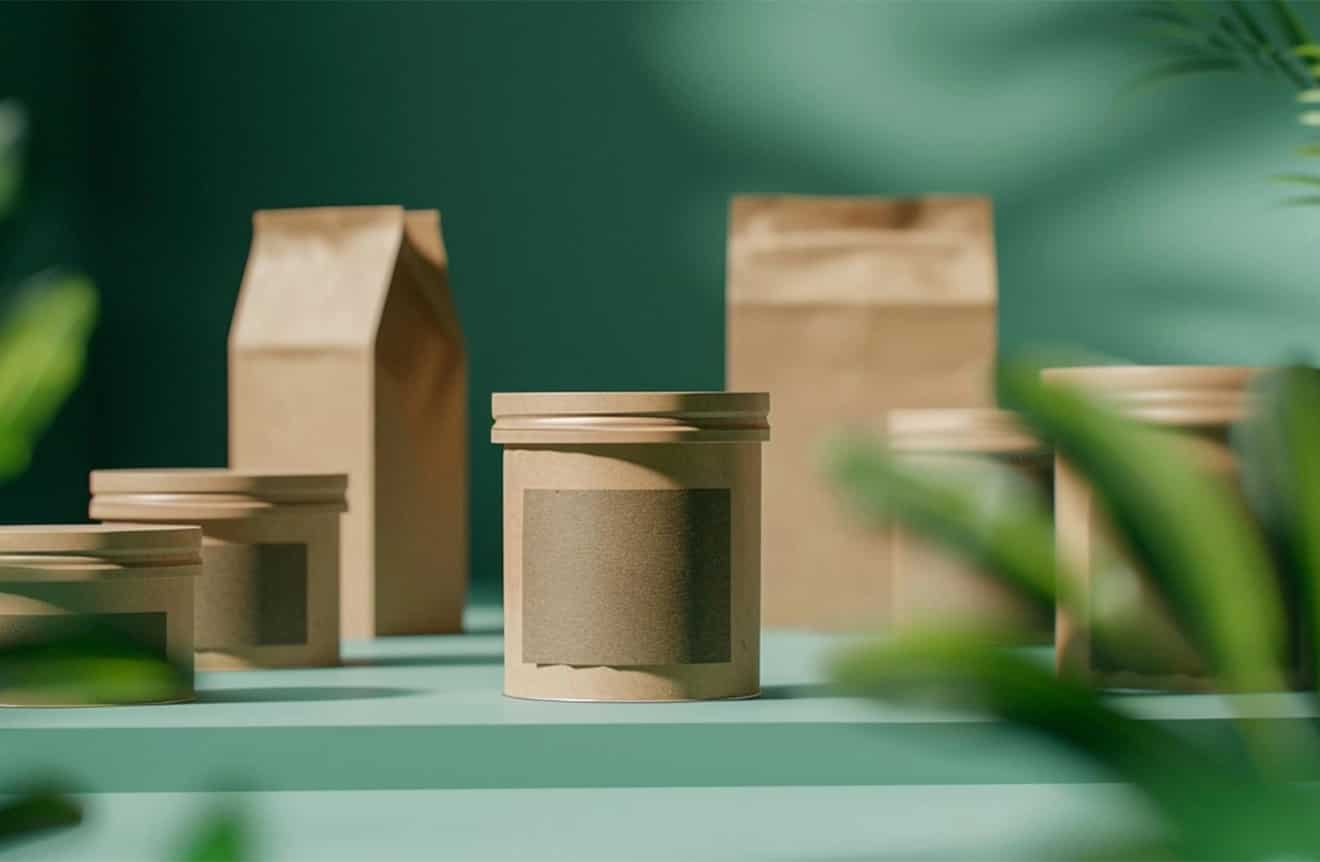
The psychology of packaging is very strong in determining how consumers perceive and relate to products. It is no longer about keeping the inside safe: product packaging is now a mute salesperson, making the choice in a few seconds. Colors, typography, textures and structure are all created in such a way that they evoke certain emotions and reactions.
Learning the psychology of packaging assists brands to engage their audience at the level of experience, transforming simple products into mindful ones. We will discuss its functionality and importance.
The importance of Packaging Psychology
Packaging psychology is the art of applying the elements of design to impact consumer decisions. It integrates the concepts of design, marketing, and human behavior to design packaging that appeals and makes sales.
A package that is well designed does not only appear good but conveys value, creates trust and also forms brand perception. It can even warrant a premium price, and stimulate repeat buying, when correctly done.
Major Packaging Psychology Elements
It is best to know that all the aspects of packaging are created with the purpose of creating a response before delving into the below elements. Packaging psychology is the key to the experience of the first look down to the time a customer is holding the product.
1. Color Psychology
The use of color is one of the most effective instruments in packaging psychology because it can immediately impact mood and perception. The color choice in the product packaging design is a crucial matter because various colors may create trust, excitement, calmness or urgency.
2.Typography and Fonts
Typography has a small but effective influence in consumers' perception of a product. Fonts may be luxurious, fun, sophisticated or simple, which directly impact brand perception and customer connection with the product on an emotional level.
3.Material and Texture
The touch aspect of packaging gives packaging a sense of touch. Finishes can be smooth, rough, matte, or glossy, which can affect the quality considered, and customers can relate a product to high-quality or low-quality.
4.Shape and Structure
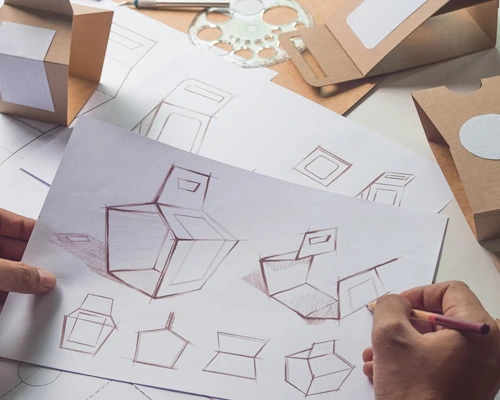
Differentiated shapes and structural designs assist products to be singled out on congested shelves. Innovative packaging does not only increase the pleasing to the eye but it also increases functionality and it stays in the mind of the consumer.
5.Imagery and Graphics
The use of graphics and images to tell stories emotionally connects well. It is at this point where emotional branding is introduced, which can be used to enable a brand to convey its story and values by the packaging design.
The impact Packaging has on Consumer Behavior
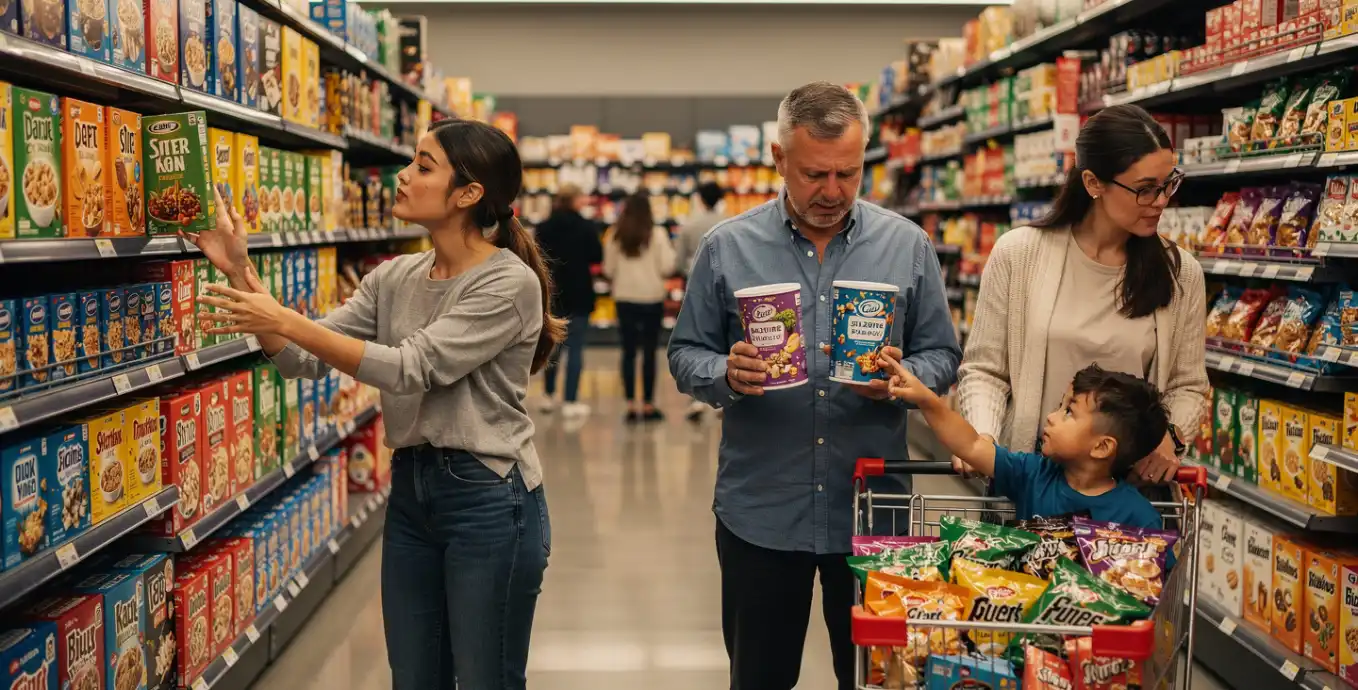
In order to have a better comprehension of the effect of the packaging, it is required to consider the way it influences purchasing behavior. The psychology behind packaging has a direct influence on the way consumers feel, think and behave in their product selection.
1.First Impressions Matter
The first exposure to a product can either make or break the decision of a customer to pick or leave it. Effective packaging design uses the psychology of packaging to make a memorable first impression in seconds.
2.Perceived Value and Quality
Even a similar product compared to the competitors can appear more valuable in terms of its premium-looking packaging. This is directly due to the influence of packaging psychology in perceived value.
3.Emotional Connection
Emotionally appealing packaging can develop long-term loyalty. Packaging psychology is a way to establish meaningful relationships with customers through the careful design and storytelling of a brand.
4.Brand Recognition
Regular packaging components enable customers to identify a brand instantly. With time, this familiarity is built to trust and the effectiveness of packaging psychology in marketing strategies is enhanced.
The Trends that Define the Modern Packaging Psychology
The history of consumer expectations has changed how brands are approaching packaging. Today, packaging psychology goes beyond aesthetics to include sustainability, minimalism, and functionality.
1. Minimalist Design
Sustainability is closely connected to the use of eco-friendly materials. Recycled paper, cardboard, biodegradable plastics, plant-based inks, and compostable packaging are gaining popularity.
2.Eco-Friendly Packaging
One of the significant aspects of contemporary purchases is sustainability.Green packaging will attract the values of consumers, enhancing emotional involvement and trust.
3.Personalization
Personalized packaging will give an individual experience to the customer. The packaging psychology can be improved with personal touches, which help to make products seem more special and exclusive.
Conclusion
In a world where consumers have been overwhelmed with choices, it is the packaging psychology that makes a product different. It affects the first impressions right up to the loyalty of a brand, and therefore it is a vital element of a brand strategy. Design, emotion, and strategy together allow the brands to develop the packaging that is not only easy to notice but also to promote meaningful interaction and purchase.
When companies are interested in using the maximum of packaging and marketing opportunities, collaboration with specialists can help a lot. Pro Element Creatives, is among the finest performance marketing firms in India and assists brands in developing a powerful strategy that actually resonates with their audience, and their visibility in the market.
Related articles